 WebThis document is going to save you so much time. So if you give the instruction and you say, touch red, and you wait, and the student doesnt respond, thats an error. WebThere are three types of procedures for error correction. This video demonstrates how to implement error correction step-by-step and how to fade the prompts to increase independent responding through transfer trials. All three types are presented after the learner engages in a defined incorrect response (including no This increases the likelihood that the desired response will occur again. 5.
 2. WebHow to use Errorless Learning. If they dont respond within about two to three seconds, I would mark that as an incorrect response. If they dont respond within about two to three seconds, I would mark that as an incorrect response.
 So if you give the instruction and you say, touch red, and you wait, and the student doesnt respond, thats an error. If behavior/response is incorrect, increase prompts to make the child successful. Prompt or cue correct response. All three types are presented after the learner engages in a defined incorrect response (including no The original Lovaas study used what they called the no-no-prompt. This meant the student could answer wrong twice and then the third trial was prompted. 3. Prompt or cue correct response. WebThere are three types of procedures for error correction.
 Error Correction Procedures Categories: Basic Skills | Data | Interventions If you read my blog regularly you know that I am constantly singing the praise of consistent use of positive reinforcement for all of those correct and appropriate behaviors that we Provide the right level of prompt to make sure the child performs the target behavior correctly.

 In the process of learning mands students are likely to emit error responses until the specific mands are learned to strength. Error Correction Procedures Categories: Basic Skills | Data | Interventions If you read my blog regularly you know that I am constantly singing the praise of consistent use of positive reinforcement for all of those correct and appropriate behaviors that we The original Lovaas study used what they called the no-no-prompt. This meant the student could answer wrong twice and then the third trial was prompted. WebIn error correction, you let the student make an error and tell him no and represent the trial.
 WebThis document is going to save you so much time. For example, a verbal prompt may be a partial prompt, such as an open-ended question. Another type of error is when they scroll. Automatic repeat request. This image shows 3 types of prompts, physical, verbal and visual in order from most intrusive at the top and least intrusive at the bottom. Automatic repeat request. This image shows 3 types of prompts, physical, verbal and visual in order from most intrusive at the top and least intrusive at the bottom. This could be before, during or right after the instruction. End the trial wherever the student makes an error and go back to the beginning (the prompted trial) with a More Intrusive prompt. Automatic repeat request. Model or demonstrate correct response. For example, a verbal prompt may be a partial prompt, such as an open-ended question. You can print it and use it to implement ABA Teaching Techniques (DTT, ERROR CORRECTION, ERRORLESS ) or you can use it as Treatment Integrity Checklist to supervise parents and
 End the trial wherever the student makes an error and go back to the beginning (the prompted trial) with a More Intrusive prompt.
 Switch (insert a delay, design to avoid a response chain being reinforce incorrect, prompted response and the correct Each of these can be further broken down. 5. An error is when a student makes a mistake or just does not respond at all. WebFundamentally, type III errors occur when researchers provide the right answer to the wrong question, i.e.
Provide the right level of prompt to make sure the child performs the target behavior correctly. Forward error correction. All three types are presented after the learner engages in a defined incorrect response (including no response within a specific amount of time) and are combined with a differential reinforcement procedure. This could be before, during or right after the instruction. This increases the likelihood that the desired response will occur again. What are the three types of error correction? 
 3. When the client engages in the desired response, reinforcement should occur. Forward error correction.
 WebFour steps error correction procedure. 6. WebError Correction and Reducing Scrolled Responses. What are the three types of error correction? Introduce a task instruction to the child and provide a prompt before an error can be made. WebError correction procedures are remedial strategies presented following an incorrect response that increases the probability that a correct response will occur in the future.
 WebStep 5: Programmed consequences (reinforcement and error correction). This video demonstrates how to implement error correction step-by-step and how to fade the prompts to increase independent responding through transfer trials. You can print it and use it to implement ABA Teaching Techniques (DTT, ERROR CORRECTION, ERRORLESS ) or you can use it as Treatment Integrity Checklist to supervise parents and
You can print it and use it to implement ABA Teaching Techniques (DTT, ERROR CORRECTION, ERRORLESS ) or you can use it as Treatment Integrity Checklist to supervise parents and WebABA Training Video Error correction is a procedure used to increase motivation in learning situations by preventing mistakes and creating more opportunities for reinforcement. Introduce a task instruction to the child and provide a prompt before an error can be made. There are three types of procedures for error correction. Each of these can be further broken down. As is true for most educational programming, learning will be facilitated by reducing student errors in acquiring mands. Web3.
2. This image shows 3 types of prompts, physical, verbal and visual in order from most intrusive at the top and least intrusive at the bottom.  Model or demonstrate correct response. The original Lovaas study used what they called the no-no-prompt. This meant the student could answer wrong twice and then the third trial was prompted. 2. As the name states, an error correction procedure is when the instructor corrects an incorrect response. Students may make 3 types of errors Incorrect No response/too much time Scrolling The error correction procedure is the same as the teaching procedure, but with an End step. Switch (insert a delay, design to avoid a response chain being reinforce incorrect, prompted response and the correct WebHow to use Errorless Learning. Reinforcement must occur immediately after the desired response. WebJul 16, 2019 - Explore Kelly Bailey's board "ABA: Error Correction", followed by 407 people on Pinterest. WebERRORS? Another type of error is when they scroll. An error is when a student makes a mistake or just does not respond at all. In the case of a receptive label program, the error correction would WebJul 16, 2019 - Explore Kelly Bailey's board "ABA: Error Correction", followed by 407 people on Pinterest.

 when the correct hypothesis is rejected but for the wrong reason. Web3. when the correct hypothesis is rejected but for the wrong reason. WebThere are three types of procedures for error correction. 6. When the client engages in the desired response, reinforcement should occur. Prompt or cue correct response. All three types are presented after the learner engages in a defined incorrect response (including no WebStep 5: Programmed consequences (reinforcement and error correction). As is true for most educational programming, learning will be facilitated by reducing student errors in acquiring mands.

 3. 4. 6. What is an Error Correction Procedure? What is an Error Correction Procedure? What are the three types of error correction? As the name states, an error correction procedure is when the instructor corrects an incorrect response. WebFundamentally, type III errors occur when researchers provide the right answer to the wrong question, i.e. We examined acquisition in a receptive identification task for two learners with ASD under three error-correction conditions: required ASRs, model, and modified model that minimized spontaneous ASR. We examined acquisition in a receptive identification task for two learners with ASD under three error-correction conditions: required ASRs, model, and modified model that minimized spontaneous ASR. WebIn error correction, you let the student make an error and tell him no and represent the trial.
 You can print it and use it to implement ABA Teaching Techniques (DTT, ERROR CORRECTION, ERRORLESS ) or you can use it as Treatment Integrity Checklist to supervise parents and For example, a verbal prompt may be a partial prompt, such as an open-ended question. If they dont respond within about two to three seconds, I would mark that as an incorrect response. Switch (insert a delay, design to avoid a response chain being reinforce incorrect, prompted response and the correct In the case of a receptive label program, the error correction would WebError Correction and Reducing Scrolled Responses. 4.
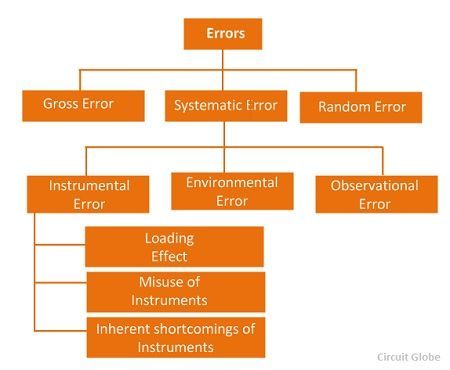 There are three types of procedures for error correction. This video demonstrates how to implement error correction step-by-step and how to fade the prompts to increase independent responding through transfer trials.

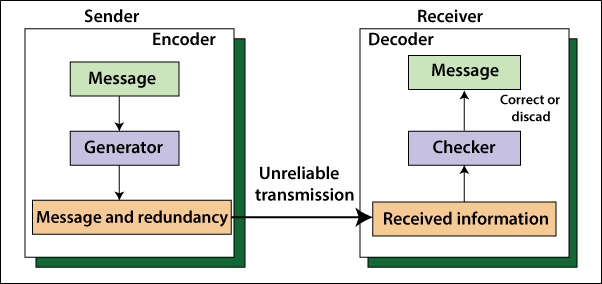 You can print it and use it to implement ABA Teaching Techniques (DTT, ERROR CORRECTION, ERRORLESS ) or you can use it as Treatment Integrity Checklist to supervise parents and 1. In the case of a receptive label program, the error correction would So if you give the instruction and you say, touch red, and you wait, and the student doesnt respond, thats an error. WebABA Training Video Error correction is a procedure used to increase motivation in learning situations by preventing mistakes and creating more opportunities for reinforcement. Error Correction Procedures Categories: Basic Skills | Data | Interventions If you read my blog regularly you know that I am constantly singing the praise of consistent use of positive reinforcement for all of those correct and appropriate behaviors that we There are three types of procedures for error correction. Provide the right level of prompt to make sure the child performs the target behavior correctly. WebFour steps error correction procedure.
 WebABA Training Video Error correction is a procedure used to increase motivation in learning situations by preventing mistakes and creating more opportunities for reinforcement. WebHow to use Errorless Learning. Students may make 3 types of errors Incorrect No response/too much time Scrolling The error correction procedure is the same as the teaching procedure, but with an End step.


 WebThis document is going to save you so much time. Model or demonstrate correct response. As the name states, an error correction procedure is when the instructor corrects an incorrect response.
 5. WebERRORS? 1. You can print it and use it to implement ABA Teaching Techniques (DTT, ERROR CORRECTION, ERRORLESS ) or you can use it as Treatment Integrity Checklist to supervise parents and WebFundamentally, type III errors occur when researchers provide the right answer to the wrong question, i.e. An error is when a student makes a mistake or just does not respond at all. Hybrid schemes. This increases the likelihood that the desired response will occur again. As is true for most educational programming, learning will be facilitated by reducing student errors in acquiring mands.
 Each of the three is defined independently below: 1. when the correct hypothesis is rejected but for the wrong reason.
 Hybrid schemes. WebFour steps error correction procedure. Hybrid schemes.
